In today’s competitive job market, being good at technical skills isn’t enough. To ensure long-term career success, employers focus on some soft skills like – the way professionals speak, behave, and interact with others. Professionalism at work demonstrates whether someone is dependable, honest, effective at communication, and has a positive attitude towards work.
Individuals who exhibit professional behavior at work to gain more respect, more responsibilities, and more promotions. Over time, these soft skills are beneficial to long-term career success.
Why Workplace Professionalism Matters?
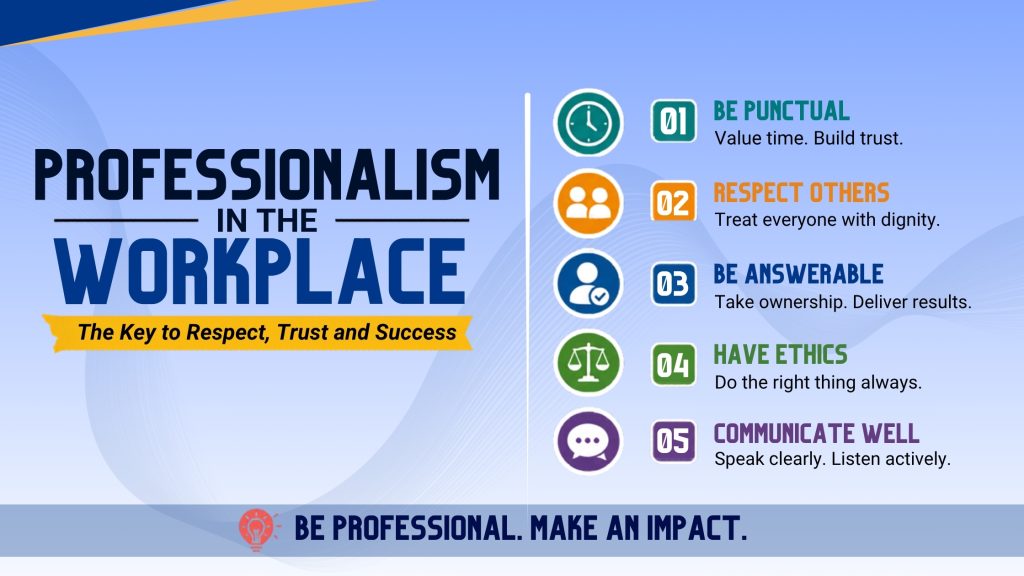
Professionalism in the workplace refers to the behavior, attitude, and standards that are anticipated in an organization. It includes being punctual, respecting others, being answerable, having ethics, and communicating well.
When people show professionalism in the way they carry out their tasks and responsibilities, they are rewarded with credibility within the group and the larger organization.
Professionalism acts as an important skill that improves teamwork by allowing for effective communication, timely completion of tasks and meeting deadlines, and problem-solving without conflicts. This creates a good working environment where everyone works harmoniously towards increasing productivity.
Professional Behavior and Career Growth
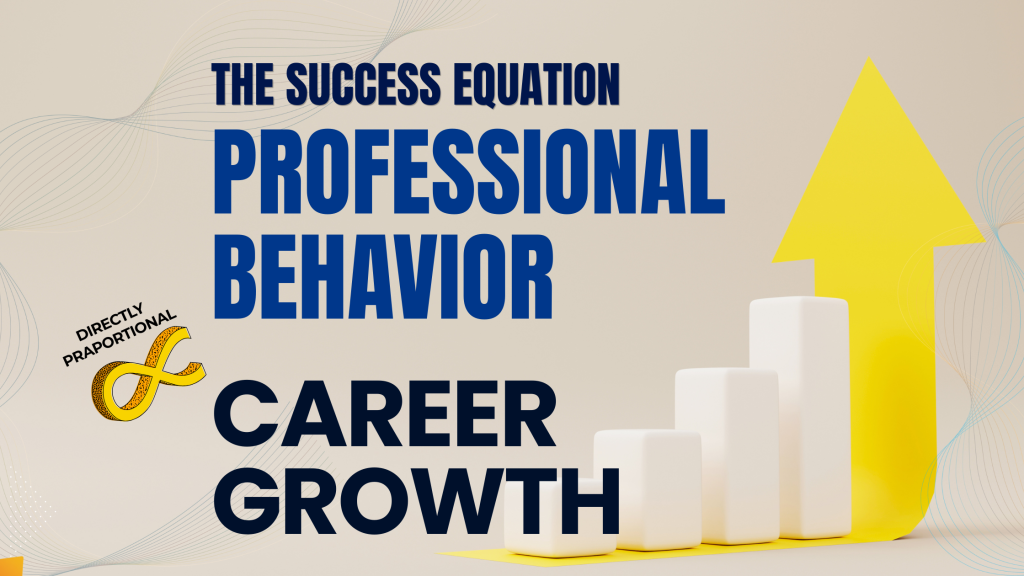
Professional behavior is also related to professional development and professionalism. Managers assess the employees not only on the basis of their performance but also on how they take up their responsibilities, deal with conflicts, and work in a team. Employees with professional behaviour may benefit in the following ways –
- Gain the trust of their managers and coworkers
- Having opportunities to become leaders
- Receiving positive evaluations
- Get promoted to higher positions and participate in high-level projects
On the contract, individuals who lack professionalism may face problems in maintaining good professional relationships, thus limiting their professional growth.
The Role of Professional Ethics at Work
Another important factor to take into account regarding professionalism in the workplace is the maintenance of high ethical standards. Ethical behavior is primarily associated with honesty, transparency, fairness, and respect for organizational ethics.
Professionals who display ethical behavior are viewed as honest persons in their respective organizations. Employers trust them, particularly in situations where important responsibilities are at stake.
Ethical behavior also helps in building strong interpersonal relationships at the workplace; people feel comfortable around persons they can trust, hence forming long-lasting professional relationships that can endure for years.
Soft Skills That Drive Career Success
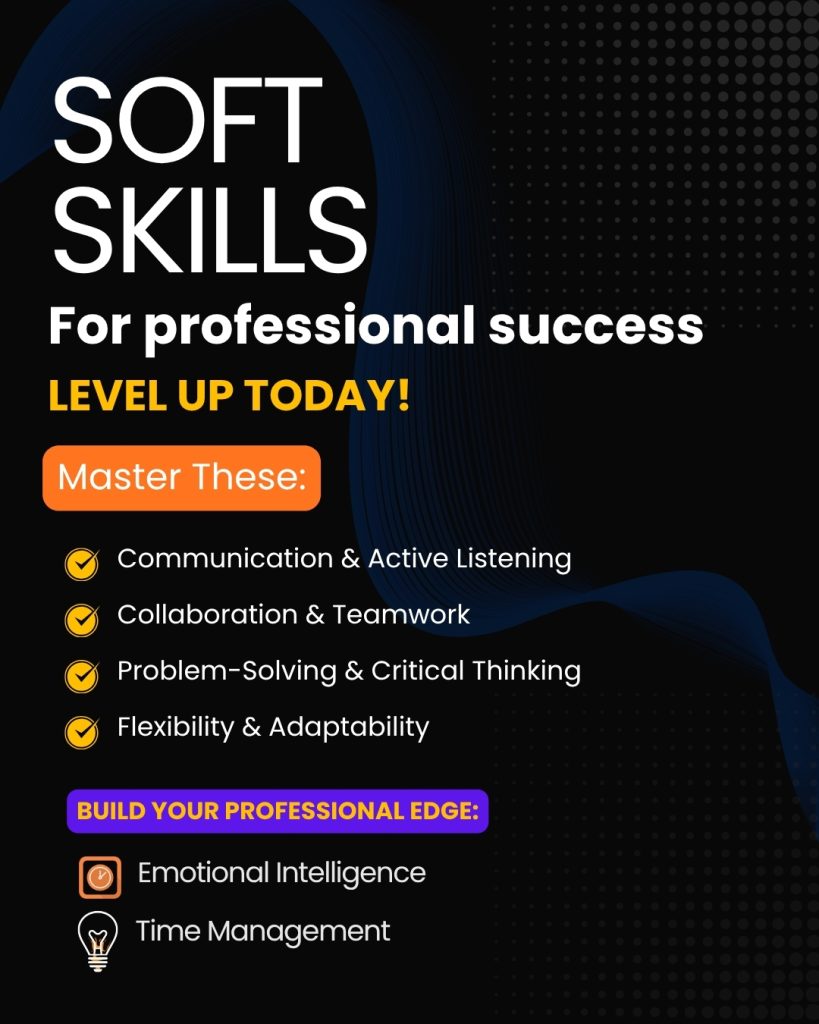
Although technical competencies may help one get into a particular field, soft skills for career advancement help one move up in that field. Technical competencies affect how employees relate to others and situations in the workplace.
The essential soft skills for professional success include communication, collaboration, problem-solving, flexibility, emotional intelligence, and time management. These skills directly impact attitude and success in a professional environment.
For instance, a professional with a positive attitude, good communication skills, and a positive approach to problems is considered a great asset for the team. Personal branding in the workplace is another important factor that affects professional success.
Personal Branding in the Workplace
Another important factor that determines professional success is personal branding in the workplace. This is defined as the image that people create in their workplaces based on their conduct, work ethic, and communication style.
A strong professional brand is built by employees through their ability to:
- Consistently deliver quality output
- Show a positive attitude
- Be dependable and responsible
- Show leadership skills
- Support colleagues and organizations
This eventually makes them credible in their respective industries.
Developing Corporate Professionalism Skills
Today’s organizations expect that employees will show corporate professionalism. This means that an individual must show appropriate corporate etiquette, respond professionally to feedback, and adjust to the ever-changing business dynamic. Individuals can improve their skills in these areas by:
- Seeking feedback from mentors and managers
- Taking training courses
- Learning from other professionals in key positions
- Exhibiting appropriate communication styles
- Continuously developing their skills, both at work and in other areas
These are key components of professional development strategies that help in career progression.
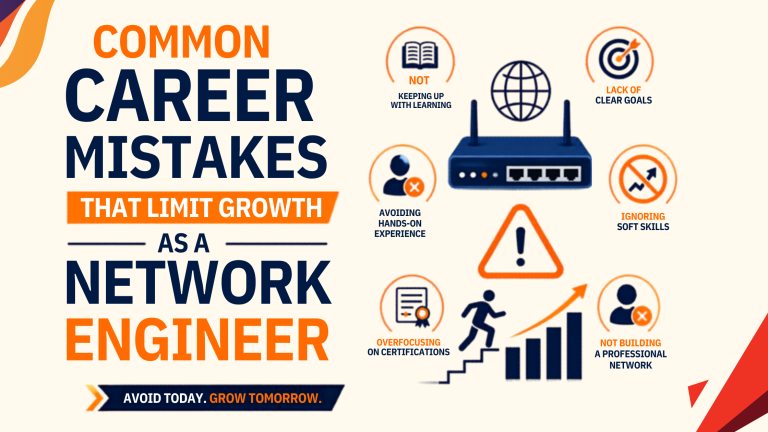
Common Mistakes That Damage Professional Reputation
While it is important to develop appropriate professional behavior at the workplace, it is also important to avoid behavior that may tarnish your professional image at the workplace. An efficient and skilled employee may jeopardize his or her career by developing unprofessional behavior.
Firstly, one of the major pitfalls that may affect the development of appropriate professional behavior is poor communication. For instance, failing to respond to emails and communicating poorly may cause confusion.
Another major pitfall that might hamper your professional behavior at the workplace is developing a negative attitude at your workplace. Complaining, blaming, and not accepting criticism might hamper your professional behavior at your workplace.
Another common mistake that may affect your professionalism at the workplace is the failure to develop your professionalism. In the modern competitive world, it is vital to upgrade your knowledge and behavior at the workplace by adopting the best practices for professional development.
By avoiding the above common mistakes, professionals can improve their professionalism at the workplace and move ahead with career growth.
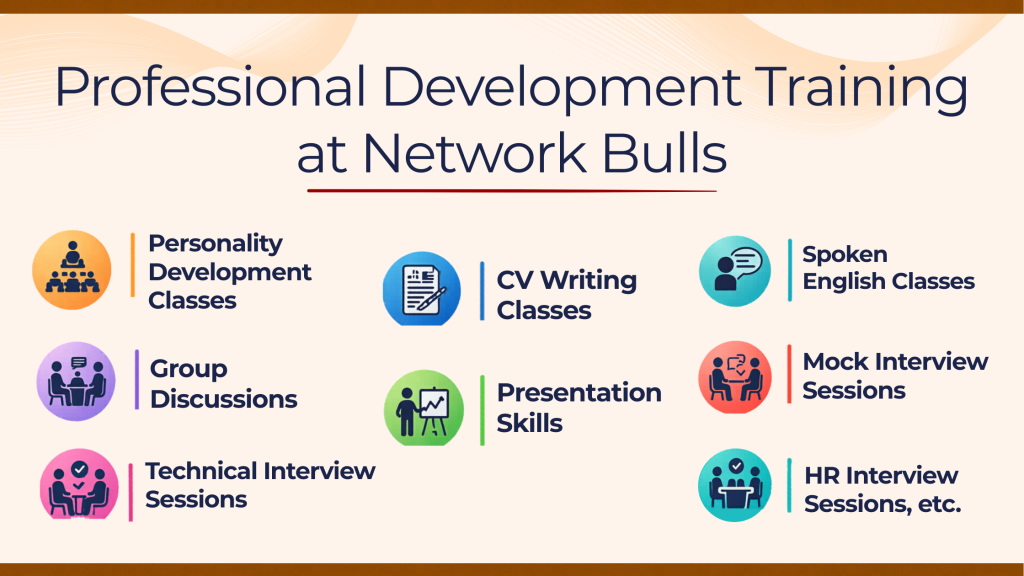
How Training Helps Improve Professional Behavior
This is particularly true for students and those just starting their careers. Though technical skills are often in the spotlight, training environments are just as important for developing discipline, teamworking skills, and communication skills.
Professional training programs usually involve a combination of group projects, presentations, mock interviews, as well as real-world problem-solving scenarios. This allows participants to gain a better understanding of their place in the corporate world, as well as a platform to demonstrate their professionalism in action.
Through such a program, an individual can develop their skills in effective communication, feedback, as well as professionalism, particularly in a corporate context.
Any learning institution that offers a combination of technical skills and soft skills development can provide an individual with the necessary skills to achieve corporate professionalism, paving their way to a successful career in their chosen field.
Check: 100% Job Guarantee Courses
Building Professionalism Through Industry Training
Professionalism is encouraged through well-structured training programs that cover both technical and professional skills. There are technology institutes that not only focus on teaching networking concepts but also on professional communication and being ready to face the corporate world.
Institutions that provide industry-specific networking courses focus on concepts such as teamwork, projects, and scenarios. This environment enables the development of both professional skills and professionalism.
Individuals who are searching for the Best Networking Institute in India or the Best Cisco Institute in India look for courses that will equip them to face real-world scenarios. The institutes provide not only technical knowledge but also professional skills such as communication, teamwork, and ethics.
Conclusion
Professional behavior is one of the major determinants of career success over time. Technical skill may be what allows people to perform their jobs effectively, but professionalism is what allows people to advance and move forward in their careers in terms of collaboration and leadership within an organization.
Through consistent demonstration of high levels of professional behavior and corporate professionalism, people can develop a good reputation and thus achieve career success over time.
Cultivating a good attitude and mindset for success, and learning and developing professionally, allows people to make a real impact in their careers.
FrequentlyAsked Questions (FAQs)
What does the term “Professional Behavior in the Workplace” mean?
Professional behavior in the workplace means the manner in which an individual behaves, communicates, and relates in the workplace. It entails responsibility, accountability, ethics, and respect, all of which help in creating a good image in the workplace.
What are the basic components of professionalism in the workplace?
The basic components of professionalism in the workplace are respect, accountability, teamwork, communication, and ethics. A professional needs to deliver on time, be accountable for his/her actions, and have a constructive attitude towards the workplace.
How does professionalism in the workplace impact the employee’s career in the long run?
Professional behavior in the workplace plays a vital role in shaping the employee’s career in the long run, as the superior evaluates the employee based on the employee’s professionalism in the workplace.
Can you give me a few examples of professional behavior in the workplace?
Punctuality, respect, owning up to mistakes, courtesy, and teamwork are a few examples of professionalism in the workplace. Having a positive attitude and helping others are also examples of professionalism in the workplace.
What are the various aspects of unprofessional behavior in the workplace?
Unprofessional behavior in the workplace may include gossip, disrespect, non-completion of tasks on time, dressing inappropriately, dishonesty, and lack of accountability towards the workplace.
How do professionals practice professionalism in the workplace?
Professionals practice professionalism in the workplace through communication, effective time management, ethics, and skill development. They may also attend professional development programs, which help in the development of professionalism in the corporate world.
How do professionals use soft skills in order to be successful in the workplace?
Communication, teamwork, emotional intelligence, flexibility, etc., are the basic components of soft skills, which are very important in the workplace as they significantly influence the attitude of the professionals in the workplace.