

In today’s digital age, network engineers play a critical role in building and maintaining the infrastructure that keeps the interconnected world running smoothly.
As technology advances at an unprecedented pace, the future of network engineering jobs holds immense potential for growth, job scope expansion, competitive salaries, and increased recognition.
ACCORDING TO THE BUREAU OF LABOR STATISTICS, THE FIELD OF NETWORK ENGINEERING IS PROJECTED TO GROW BY 5% IN THE US BETWEEN 2020 AND 2030.
This implies that there is an increasing demand for network engineers in the coming years. It indicates there will be potential job opportunities and for individuals pursuing a career in network engineering.
In this article, we will go through the key trends and predictions that shape the future of network engineer careers.
Growth Opportunities

The demand for network engineers is expected to grow significantly in the coming years.
As companies increasingly rely on robust and secure network infrastructures, there is a need for network engineers.
As they play a vital role in designing, implementing, and managing these complex systems, companies are seeking more networking professionals.
Besides this, the proliferation of emerging technologies like cloud computing, the Internet of Things (IoT), and 5G networks will further drive the need for skilled network engineers.
The trend in network engineer growth is positive, especially with new tech developments making their role crucial.
Job Scope

The scope for network engineer jobs is expanding beyond traditional networking roles.
They are expected to possess a wide range of skills, including expertise in cloud computing, cybersecurity, virtualization, software-defined networking (SDN), and automation.
With the increasing integration of networking with other IT domains, network engineers have become key contributors to overall IT infrastructure design and planning.
This huge job requirement offers network engineers the chance to work on cutting-edge technologies and broaden their skills.
Also, there are more remote network engineer jobs now, showing that the field is adapting to a more flexible work style.
Salary
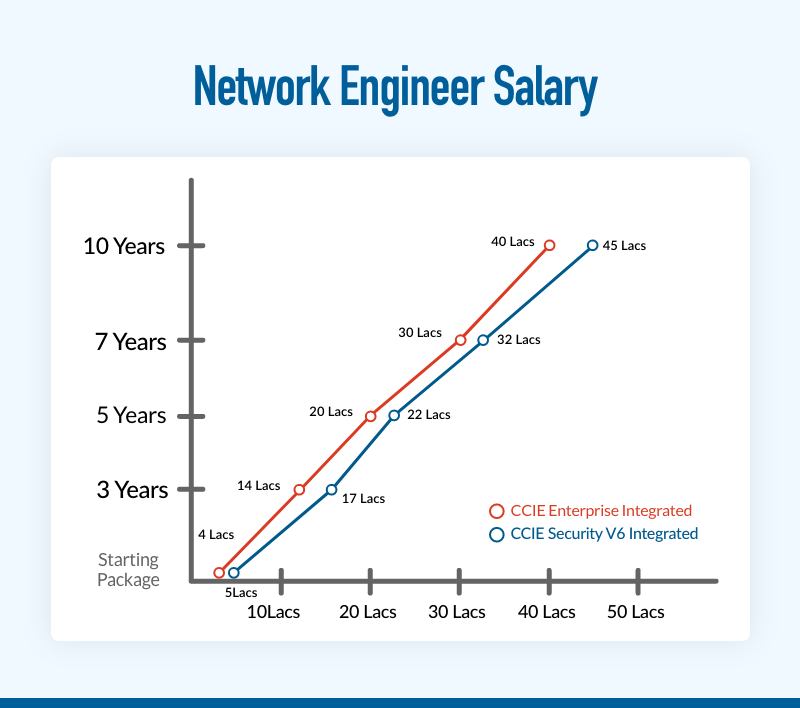
Amid the boom, the network engineer salary has seen a constant rise.
Typically, it varies based on factors such as experience, qualifications, industry, and geographic location.
As the demand for skilled network engineers rises, so does their earning potential.
The specialized knowledge and expertise of network engineers make them valuable resources to organizations. Consequently, they are offered high salaries and attractive compensation packages to retain them.
ACCORDING TO AMBITIONBOX, THE AVERAGE SALARY OF NETWORK ENGINEERS RANGE BETWEEN INR 4 LAKHS TO INR 12 LAKHS.
Recognition
The critical role of network engineers in ensuring seamless connectivity, network security, and optimal performance is increasingly recognized by organizations across industries.
They are no longer seen as solely infrastructure support but as key contributors to business operations and strategic decision-making.
Their expertise in network design, troubleshooting, and performance optimization is essential for organizations to achieve their digital transformation goals. This recognition brings enhanced job satisfaction, career progression, and opportunities to work on exciting projects that have a direct impact on business success.
Conclusion
With significant growth in network engineer opportunities, there is a growth in network engineer job scope, competitive salaries, and increased recognition. As businesses continue to rely on robust and secure networks to support their operations, network engineers will be in high demand.
By staying abreast of emerging technologies, upskilling in areas like cybersecurity and automation, and embracing the changing landscape, network engineers can position themselves for a rewarding and fulfilling career.
The future holds exciting prospects for network engineers, making it an ideal time to pursue or advance in this dynamic field.
Frequently Asked Questions
1. Is network engineering a good career for the future?
Yes. Network engineering remains a strong career option as businesses continue to depend on secure, reliable, and high-performance networks. The growth of cloud computing, cybersecurity, IoT, 5G, and network automation is also expanding the scope of network engineering roles.
2. What is the future scope of network engineer jobs?
The future scope of network engineering is expanding beyond traditional routing and switching. Network engineers are increasingly working with cloud networking, cybersecurity, software-defined networking (SDN), virtualization, automation, IoT, and 5G technologies.
3. Will network engineers be in demand in the coming years?
Yes. Organizations across industries need professionals who can design, manage, secure, and troubleshoot increasingly complex network infrastructures. Emerging technologies and digital transformation are expected to continue creating demand for networking skills.
4. What skills will network engineers need in the future?
Future network engineers will benefit from strong networking fundamentals along with skills in cloud computing, cybersecurity, network automation, virtualization, SDN, and scripting. Adaptability and continuous learning will also be important as networking technologies evolve.
5. Can network engineers work remotely?
Yes. Some network engineering positions can be performed remotely, particularly roles involving network monitoring, configuration, troubleshooting, cloud networking, and automation. However, certain jobs may still require on-site access to networking equipment or data centers.
6. What is the salary of a network engineer in India?
Network engineer salaries in India vary depending on experience, certifications, technical skills, location, and employer. Entry-level professionals generally earn less than experienced engineers with specialized expertise in areas such as cloud networking, cybersecurity, and automation.
7. How can I prepare for the future of network engineering?
Start by mastering networking fundamentals and gaining hands-on experience with routers, switches, firewalls, and troubleshooting. You can then build skills in cloud networking, cybersecurity, automation, and virtualization and pursue relevant certifications such as CCNA or other industry-recognized credentials.